
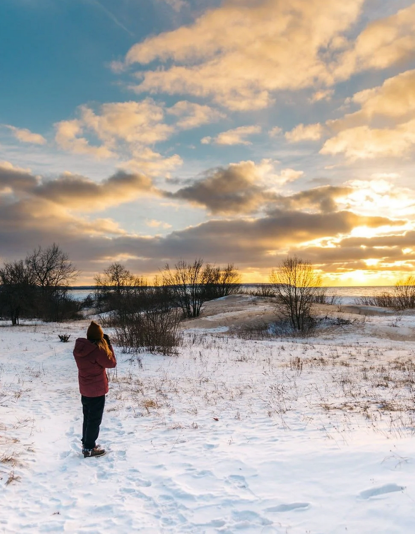
*Photo credit: Felicia Fullwood
Sleeping Bear Dunes Michigan becomes a wildlife lover’s paradise in the winter months. The area spans over 70,000 acres of varied ecosystems that await exploration. Summer draws crowds to this natural wonderland, but we found that winter is a chance to see the area’s remarkable biodiversity in a peaceful, snow-covered setting.
The Sleeping Bear Dunes National Lakeshore’s winter months see fewer visitors but still showcase nature’s wonders. The area’s 240 different bird species make it a birdwatcher’s haven throughout the year. The park’s 20-plus inland lakes and streams are home to diverse wildlife, and they create perfect viewing spots against the white winter backdrop. Our winter adventures here taught us that patience and good preparation lead to memorable wildlife encounters in this Michigan gem.
Where to Spot Wildlife in Winter
Snow blankets Sleeping Bear Dunes National Lakeshore in winter, creating a clean canvas where animal tracks tell their stories. Let me show you the best spots to watch wildlife during the cold season.
Empire Bluff Trail and surrounding woods
A 1.5-mile roundtrip through a beech-maple forest awaits at Empire Bluff Trail, which becomes a wildlife sanctuary in winter. The moderately difficult path leads through hardwood forest where you’ll likely spot deer, foxes, and smaller creatures like squirrels and rabbits. Early risers have seen deer darting across snow-covered slopes, their tan coats creating a striking contrast against the white landscape. The quieter winter season brings more wildlife sightings as animals roam freely with fewer people around. Icy conditions might make walking tricky, but discovering fresh animal tracks in the snow makes every step worth it.
Sleeping Bear Point and Ghost Forests
A 2.8-mile loop snakes through woods and dunes just west of Glen Haven Historic village at Sleeping Bear Point. This spot draws Arctic visitors—snowy owls make regular appearances throughout winter. The ghost tree forest adds a mysterious backdrop where wildlife finds shelter among twisted, spiral-pointed trees that sand once buried and time revealed. These unusual surroundings attract various creatures seeking refuge in this distinctive ecosystem.
Alligator Hill Trail in snow-covered silence
Nine miles of interconnected loops weave through maple-beech forest at Alligator Hill. These paths become cross-country ski trails from December through March and provide amazing wildlife viewing chances. Lucky visitors might catch bald eagles gliding below while standing at the trail’s overlooks. Islands Lookout at the top of Alligator Hill rewards you with breathtaking views of North and South Manitou Islands and Sleeping Bear Point. The trail’s mix of easy, intermediate, and advanced routes lets wildlife watchers of all skill levels explore different habitats.
Platte River and inland lakes
Arctic visitors and rare birds frequently visit the Platte River outlet. The mature forests around Narada and Tucker Lake serve as home to Great-Horned and Barred owls. These water spots attract many different wildlife species. Michigan’s large winged birds love hanging out in the Otter Creek wetlands. The Sleeping Bear Bird Trail that follows M-22 along Michigan’s “little finger” peninsula offers a guided birdwatching experience.
Animals You Might See in the Cold Season
The winter season at Sleeping Bear Dunes Michigan showcases amazing wildlife that has adapted to cold conditions. The stark white backdrop makes it easier to spot animals, from everyday mammals to hard-to-find predators.
White-tailed deer and red foxes
White-tailed deer roam frequently through Sleeping Bear Dunes National Lakeshore. These graceful creatures weigh over 100 pounds and their smooth red summer coat turns into a fluffy gray winter coat. Their food preferences change with seasons – they love acorns so much that they dig up large sections of the forest floor to find them.
You’ll often spot red foxes with their beautiful reddish-orange fur darting through the park’s bushy fields. These clever hunters weigh between 10-15 pounds and use their sharp hearing and smell to track down prey. The park’s fallow fields, meadows, and woody stream borders are their favorite hunting grounds.
Snowshoe hares and porcupines
Snowshoe hares are masters of winter survival. Their big, furry back feet work like natural snowshoes as they hop across deep snow. These animals’ most impressive trick is their color-changing coat – brown in summer, white in winter, and back again in spring. Michigan State University’s research shows these hares’ population has dropped by almost 50% in Michigan’s Lower Peninsula.
High up in the trees, porcupines munch on bark, twigs, and nuts. These 15-pound creatures have dark brown fur with long white hairs and are known for their defensive quills. Their barbed spines come off easily if threatened, making up for their slow movement.
Birds of prey: hawks and owls
Winter brings excellent owl watching opportunities to Sleeping Bear Dunes. Six owl species call the park home: Long-eared, Eastern Screech, Great Horned, Barred, Northern Saw-whet, and Snowy owls. Mature forests near Narada and Tucker Lake attract Great Horned and Barred owls.
Arctic visitors like Snowy owls sometimes appear between December and March. These impressive birds weigh around 4.5 pounds with wingspans stretching over 50 inches. Red-tailed and broad-winged hawks also soar through the forest skies.
Rare sightings: bobcats and coyotes
Bobcats are shy park residents with distinctive “bobbed” tails and reddish-brown spotted fur that blends perfectly with wooded areas. People sometimes mistake these 25-35 pound predators for cougars, though bobcats are much smaller.
Coyotes stay active all year but are busiest during breeding season from mid-January through March. Unlike wolves (which don’t live in the park), coyotes have pointed, upright ears and run with their bushy, black-tipped tails below their backs.
Best Practices for Winter Wildlife Watching
Successful wildlife observation at Sleeping Bear Dunes National Lakeshore just needs proper preparation and respect for nature’s winter challenges. These practices will help you enjoy wildlife responsibly throughout the colder months.
Dress for the weather and stay warm
Winter at Sleeping Bear Dunes just needs appropriate clothing—waterproof boots with good traction, thermal base layers under insulated outerwear, plus windproof gloves and wool hats. Note that “There is no bad weather; only bad clothing”. High-energy snacks and hot drinks will maintain your energy reserves during longer excursions. Hand and toe warmers are a great way to get extra comfort during extended viewing sessions.
Use binoculars and spotting scopes
Binoculars let you observe wildlife without getting too close. Spotting scopes provide superior magnification for distant viewing. Your optics should stay clean and protected from moisture—start with a soft brush or compressed air before using lens-cleaning solution. Cold temperatures drain power quickly, so store spare batteries in an inside pocket.
Move quietly and stay on marked trails
Slow walking and frequent pauses help you notice movement and tracks in the snow. Quiet movement prevents wildlife disturbance and improves your chances of spotting animals. Your patience will reward you with better sightings.
Avoid disturbing animal habitats
Winter is a season of lack—animals operate on razor-thin energy reserves. Wildlife needs plenty of space, so observe from a distance using your optics. Staying on designated paths prevents unnecessary energy expenditure that could threaten their survival.
Winter Activities That Pair with Wildlife Watching
Winter activities at Sleeping Bear Dunes Michigan create perfect opportunities to encounter wildlife. The cold season reveals a different side of the park’s natural inhabitants that summer visitors rarely see.
Snowshoeing through quiet trails
Visitors can snowshoe on all but one of these snow-covered dunes, fields, and forests throughout the Lakeshore. Safety and conservation make it smart to stick to well-marked pathways. Cross-country skiers share some trails, so step off to the side of their tracks when you meet them. Alligator Hill Trail emerges as a prime spot where deer, owls, and foxes often appear during your trek.
Cross-country skiing near wildlife zones
The Sleeping Bear Heritage Trail stands out as the crown jewel for winter enthusiasts. This scenic 20-mile stretch between Empire and Bohemian Road features professional grooming for both classic track and skate skiing styles. Newcomers should explore the gentle 4-mile section from Glen Arbor to the Dune Climb. Other ski trails in the park lack grooming but usually have tracks left by previous skiers.
Photography tips for snowy landscapes
Capturing winter shots at Sleeping Bear Dunes demands preparation for frigid conditions. Proper gear and warm clothing are essential. Wildlife photographers need a telephoto lens (200mm+ for larger animals), a tripod for stability, and burst mode for moving subjects. Golden hours provide the best light for shooting. Creative angles might require you to dig holes in snow or use a ladder.
Nighttime stargazing and owl spotting
Winter nights at Sleeping Bear Dunes reveal a magical sky. A headlamp ensures safety while you search for snowy owls and snowshoe hare tracks. Rangers lead night hikes four times each winter, creating magical experiences that last 1 to 1.5 hours and cover up to a mile. These walks teach visitors about nocturnal creatures.
Conclusion
Sleeping Bear Dunes is a rare chance to see Michigan’s natural beauty in peaceful solitude during winter. Patient visitors will be rewarded with unforgettable wildlife encounters as they explore this winter wonderland. The pristine snow-covered landscapes make perfect backdrops to watch everything from majestic white-tailed deer to elusive bobcats.
The park’s trails each have their own special wildlife viewing spots. You might spot deer and foxes against snowy hillsides on Empire Bluff Trail. Snowy owls make Sleeping Bear Point their temporary home. Alligator Hill’s varied terrain lets wildlife watchers of all skill levels see different species, with bald eagles soaring overhead.
The wildlife tells amazing stories of winter survival. Snowshoe hares switch to white coats, while porcupines eat high in the trees. Coyotes become easier to spot during their breeding season. The park’s impressive bird population – especially its six owl species – gives birdwatchers great views against the stark winter backgrounds.
Good preparation is key to successful wildlife watching. You’ll need proper clothes, quality optics, quiet movement, and respect for animal habitats to stay comfortable and protect the creatures during tough winter months. These basics, plus activities like snowshoeing, cross-country skiing, photography, and nighttime stargazing, create the perfect setting for meaningful wildlife encounters.
Winter changes Sleeping Bear Dunes into something special – a quieter, more intimate place that rewards wildlife enthusiasts richly. Most visitors never see this side of Michigan’s natural heritage beneath the snow with fewer crowds around. Summer might bring more people, but winter holds the real magic for anyone seeking true connections with the remarkable wildlife that calls this national treasure home.
FAQs
Q1. What types of wildlife can I expect to see during winter at Sleeping Bear Dunes? During winter at Sleeping Bear Dunes, you might encounter white-tailed deer, red foxes, snowshoe hares, and porcupines. Birds of prey such as hawks and owls are also common. If you’re lucky, you may spot rarer animals like bobcats and coyotes.
Q2. Are there specific trails recommended for winter wildlife watching? Yes, several trails are excellent for winter wildlife watching. The Empire Bluff Trail, Sleeping Bear Point, and Alligator Hill Trail are particularly good spots. The Platte River area and inland lakes are also known for diverse wildlife sightings, especially birds.
Q3. What should I wear for winter wildlife watching at Sleeping Bear Dunes? Dress in layers with waterproof boots, thermal base layers, insulated outerwear, windproof gloves, and a wool hat. It’s also advisable to bring hand and toe warmers for extended viewing sessions. Remember, proper clothing is key to enjoying wildlife watching in winter conditions.
Q4. Can I combine other activities with wildlife watching in winter? Absolutely! Snowshoeing and cross-country skiing are popular activities that pair well with wildlife watching. You can also enjoy winter photography and nighttime stargazing. These activities often provide unique opportunities to spot animals in their natural habitats.
Q5. How can I responsibly observe wildlife during winter at Sleeping Bear Dunes? To responsibly observe wildlife, use binoculars or spotting scopes to maintain a safe distance. Move quietly and stay on marked trails to avoid disturbing animals. It’s crucial to respect wildlife habitats, especially in winter when animals are operating on limited energy reserves.