
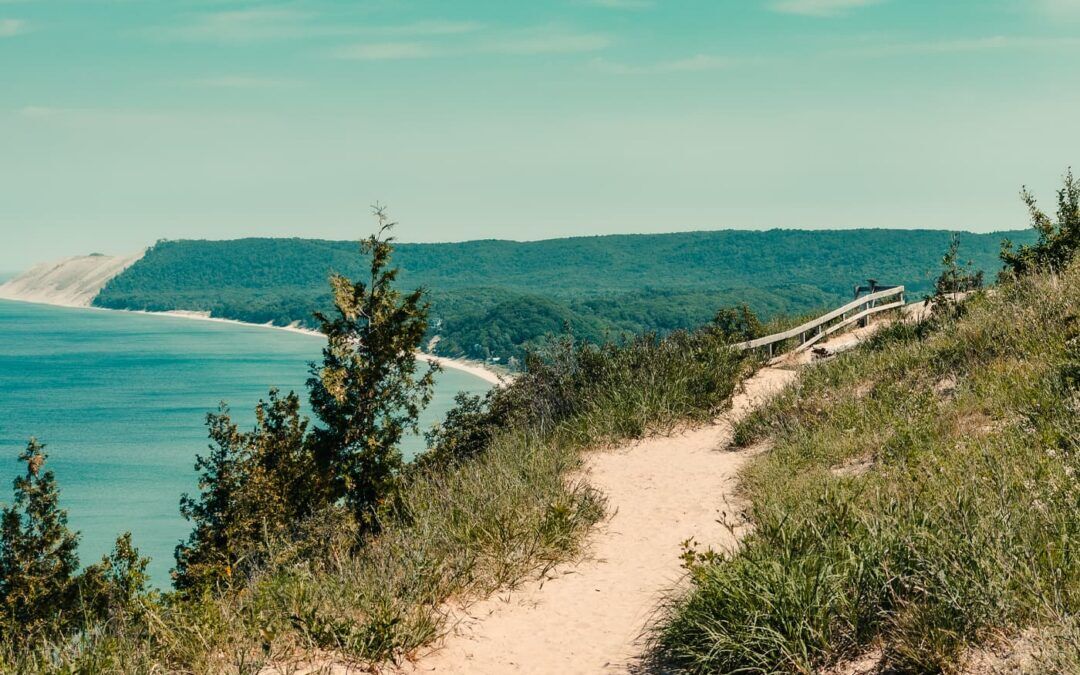
Knowing what to do at Sleeping Bear Dunes becomes significant when you join the 1.7 million annual visitors who explore this remarkable destination. Sleeping Bear Dunes National Lakeshore spans an impressive 71,000 acres. It features 65 miles of Lake Michigan shoreline, 26 inland lakes, and over 900 plant species. Such expansive terrain and diverse activities demand a clear plan. The difference between a memorable experience and a frustrating one depends on it.
We’ve created this complete guide to help direct your visit. The best time to visit Sleeping Bear Dunes, essential stops at the Sleeping Bear Dunes Visitor Center and Pierce Stocking Scenic Drive are all covered below. We’ll share the important do’s and don’ts that ensure you make the most of your adventure.
Planning Your Visit to Sleeping Bear Dunes
The park sits 25 miles west of Traverse City along Michigan’s Leelanau Peninsula. You can reach Sleeping Bear Dunes National Lakeshore if you take M-72 west from Traverse City to Empire, where M-22 runs north and south through the mainland area.
Purchase your entrance pass before arriving to save time. A standard vehicle pass costs $25.00 and remains valid for seven days. The annual pass at $45.00 is better value if you’re planning multiple visits. The park accepts cashless payments only, so you’ll need credit or debit cards. You can buy passes online through Recreation.gov or at the Philip A. Hart Visitor Center in Empire, which serves as your one-stop shop for maps, park information and ranger guidance.
Summer brings peak crowds in July and August. Popular spots like the Dune Climb and Pierce Stocking Scenic Drive fill up then. We recommend arriving before 10 am or after 4 pm when parking improves and temperatures drop. Late spring and fall provide warmer weather with fewer visitors.
Download the NPS mobile app before your visit and select offline access for Sleeping Bear Dunes. Cell service can be spotty throughout the park. Check the current conditions page for facility closures, prescribed fires or road construction that might affect your plans.
Essential Do’s for Your Sleeping Bear Dunes Visit
Start your exploration with the Pierce Stocking Scenic Drive, a 7.4-mile loop featuring 12 stops that showcase the park’s most stunning vistas. The Lake Michigan Overlook at stop #9 sits 450 feet above the lake and provides breathtaking panoramas. Drive at 20 mph, watch for cyclists and park only in designated spots.
The 284-foot Dune Climb challenges you with its steep sandy slopes. You’ll need at least 2 liters of water per person, sunscreen and proper footwear. Sand temperatures can burn paw pads and bare feet during summer months, so closed-toe shoes work best for peak heat periods. Bug spray is a must when hiking through wooded areas.
Marked trails throughout the dunes are your safest bet. Blue or green-topped posts indicate designated paths. This protects fragile dune vegetation and prevents you from getting disoriented in the vast sandy landscape. Let someone know your plans before heading out, as cell coverage is unreliable in wilderness areas.
All trash and food scraps must be packed out. Wildlife and wind scatter garbage across trails when bins overflow and damage the natural environment. Keep your furry companion leashed at six feet maximum length if you bring them along. Pets can access most hiking trails year-round, including Empire Bluff Trail and Pyramid Point Trail.
Critical Don’ts to Keep in Mind
Resist the temptation to descend the bluff at Pierce Stocking’s Lake Michigan Overlook. Rescues on the dune can cost thousands of dollars. Climbing back up proves very hard and causes major erosion. Most park rescues occur at the Dune Climb or Pierce Stocking overlook from unprepared visitors who hike during the hottest part of the day and overestimate their abilities.
Never step on Great Lakes shelf ice. This unstable formation builds from the beach outward without freezing to the lake bottom. Shelf ice contains cracks and thin areas that collapse without warning. Hypothermia sets in within minutes if you fall through, and rescue becomes almost impossible.
Walking on exposed shipwreck parts damages these historic artifacts. View wrecks from the beach. Rusted metal, exposed nails and unstable structures put your safety at risk.
Stay off unmarked and unofficial trails. Coastal dunes support fragile environments subject to erosion from foot traffic and provide habitat for endangered species including the Piping Plover. Camping outside designated campgrounds is illegal.
Watch for double red flags at beaches. These warnings prohibit water entry due to hazardous conditions. High water levels and big waves create situations where beach walkers get stranded with no escape route.
Conclusion
Sleeping Bear Dunes offers unforgettable experiences when you respect its natural beauty and follow safety guidelines. Plan ahead and stay on marked trails. Avoid risky behaviors like descending bluffs or walking on shelf ice. You’ll protect both yourself and this ecosystem. In fact, the do’s and don’ts we’ve covered will help you explore the park’s 71,000 acres safely. Prepare properly and you’ll create lasting memories while preserving this destination for future visitors.
FAQs
Q1. What are the must-do activities at Sleeping Bear Dunes? The top activities include driving the 7.4-mile Pierce Stocking Scenic Drive with its 12 scenic stops, tackling the challenging 284-foot Dune Climb, exploring the Glen Haven Maritime Museum and Life Saving Station, and hiking trails with scenic overlooks like Pyramid Point and Empire Bluff Trail. Many visitors also enjoy canoeing on the Crystal and Platte Rivers.
Q2. What essential items should I bring to Sleeping Bear Dunes? Pack at least 2 liters of water per person, sunscreen, bug spray, and snacks. Wear comfortable layered clothing and closed-toe shoes, as sand temperatures can become extremely hot during summer. The weather can change quickly, so layers are important for adapting to conditions throughout the day.
Q3. What happens if I need rescue after descending the dunes? Rescues at Sleeping Bear Dunes can cost thousands of dollars, and you’ll be responsible for the expense. Most rescues occur at the Dune Climb or Pierce Stocking overlook when unprepared visitors hike during the hottest part of the day and overestimate their abilities. Climbing back up is extremely strenuous and causes significant erosion.
Q4. When is the best time to visit to avoid crowds? Arrive before 10 am or after 4 pm to find better parking and cooler temperatures, especially during peak summer months of July and August. Late spring and fall offer warmer weather with significantly fewer visitors compared to summer, making for a more peaceful experience.
Q5. Are pets allowed at Sleeping Bear Dunes? Yes, pets are welcome on most hiking trails year-round, including Empire Bluff Trail and Pyramid Point Trail. However, they must be kept on a leash with a maximum length of six feet at all times. Be aware that sand temperatures can burn paw pads during summer months.
Q6. Where should I stay near Sleeping Bear Dunes? Glen Arbor Bed & Breakfast and Luxury Condos is perfect for couples, families, and groups. Book your stay now!